


There are moments in life when people disappoint us.
A friend lets us down.
A family member says something hurtful.
A business relationship ends poorly.
Someone leaves without a goodbye.
Whether it’s in our personal lives, our careers, or inside a martial arts academy, disappointment is part of being human.
Sometimes it’s not even the event itself that hurts the most. It’s the feeling of being unseen, unappreciated, or misunderstood.
We replay the conversation in our minds.
We imagine what we would say if we had one more chance.
We wait for the phone call, the text, or the apology that we believe will finally bring us peace.
But life has a difficult lesson to teach us:
Not every wound gets an apology.
Not every relationship gets closure.
Not every person realizes the impact they had on us.
And sometimes, even when an apology does come, it doesn’t heal us the way we imagined it would.
The Unique Challenge of the Martial Arts Business
The business of martial arts is a tricky one.
It’s not like selling shoes or fixing cars.
People don’t simply buy a service and leave.
As coaches and academy owners, we watch children grow up. We celebrate victories, help students through struggles, and sometimes become part of the rhythm of a family’s life.
You spend years teaching discipline, confidence, and resilience. You shake hands, cheer kids on at tournaments, and genuinely care about the people who walk through your doors.
That’s why the lines between business and personal can become blurred.
When a student leaves, especially unexpectedly, it doesn’t always feel like losing a customer.
Sometimes it feels like losing a relationship.
And because we care, it’s easy to carry disappointment longer than we should.
The Need for Closure and Why It’s So Hard to Let Go
Over the years, both on and off the mat, I’ve learned something that I continue to practice:
Peace doesn’t always come from getting the apology. Sometimes it comes from no longer needing it.
That doesn’t mean what happened was okay.
It doesn’t mean you approve of how someone treated you.
It doesn’t mean you pretend you weren’t hurt.
It simply means you’re no longer willing to hand someone else the keys to your peace.
Because if my peace depends on another person admitting they were wrong, then my peace isn’t really mine.
It’s theirs.
And that’s a heavy burden to carry.
What Martial Arts Teaches About Peace and Letting Go
Martial arts has a way of teaching this lesson over and over again.
You don’t control your training partner.
You don’t control your opponent.
You don’t control the referee, the crowd, or the outcome.
You control your response.
Life isn’t much different.
People will disappoint you.
Some will leave without gratitude.
Some will never understand how much you cared about them.
Some will never realize the impact they had on you.
The question becomes:
Who do you want to be anyway?
Do you want to become bitter?
Or do you want to become free?
Letting Go of Resentment Happens in Layers
Freedom doesn’t always arrive all at once.
Sometimes we let go in layers.
A little resentment today.
A little more tomorrow.
Until one day we realize the event no longer has its hands around our heart.
At 55, I’m learning that peace isn’t pretending nothing happened.
Peace is being able to say:
“I don’t agree with how it was handled. I wish it had gone differently. I’m grateful for the time we had, and now I’m letting it go.”
That’s not weakness.
That’s emotional strength.
That’s maturity.
That’s self-respect.
Because some of the strongest people I know are the ones who no longer need an apology in order to move forward.
They don’t carry resentment forever.
They don’t keep replaying the story.
They choose gratitude over bitterness and peace over being right.
Final Thoughts: Finding Peace Without an Apology
Life doesn’t always give us closure.
People don’t always say they’re sorry.
Relationships don’t always end the way we hoped they would.
The business of martial arts teaches us this in a deeply personal way. The mat may be where we teach armbars and takedowns, but it is also where we learn about people, expectations, disappointment, and ultimately, ourselves.
Peace is still available.
Not because we got the apology.
Not because we were proven right.
But because we finally decided that our peace would no longer depend on someone else’s actions.
And maybe that’s one of the deeper lessons of life and training:
Peace doesn’t always come from getting the apology. Sometimes it comes from no longer needing it.
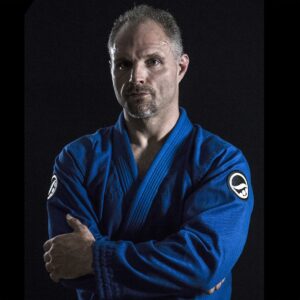
rowth does not happen in comfort. Adult martial arts training in Rockford and Loves Park builds discipline through pressure.